Learn how proper roof ventilation protects your home, reduces energy costs, and extends your roof's lifespan.
When Omaha homeowners think about their roofs, they typically consider shingles, gutters, and maybe flashing. But one of the most important components of a healthy roof system is often invisible: ventilation. Proper roof ventilation affects everything from your energy bills to your roof's lifespan to the health of your family.
At Royalty Roofing and Siding, we've seen countless problems caused by inadequate attic ventilation. This guide will help you understand why ventilation matters and how to ensure your home is properly ventilated.
What Is Roof Ventilation?
Roof ventilation is a system that allows air to flow through your attic space. The basic principle is simple: intake vents allow fresh air to enter at the lower parts of the roof (typically the soffits), while exhaust vents allow hot, moist air to escape near the top of the roof.
This continuous air exchange prevents heat and moisture buildup in your attic, which can cause a surprising range of problems throughout your home.
Why Ventilation Matters in Summer
During Omaha's hot summers, temperatures in an unventilated attic can exceed 150 degrees Fahrenheit. This extreme heat creates multiple problems.
First, it dramatically increases your cooling costs. The intense attic heat radiates down through your ceiling, forcing your air conditioner to work much harder to maintain comfortable temperatures. Proper ventilation can reduce attic temperatures by 40 to 50 degrees, significantly lowering your cooling bills.
Second, excessive heat shortens your roof's lifespan. Shingles essentially bake from below when attic temperatures soar. This accelerated aging can cut years off your roof's expected service life. We see this frequently in older homes throughout Papillion, Bellevue, and other Omaha suburbs where ventilation was inadequate or has been compromised.
Third, extreme attic heat can damage items stored in your attic and even affect the wood structure itself, causing warping and accelerated deterioration.
Why Ventilation Matters in Winter
Winter brings different but equally serious ventilation concerns for Nebraska homeowners.
Ice dams are a common winter problem caused by inadequate ventilation. When warm air accumulates in your attic, it heats the roof from below, melting snow on the upper portions. This meltwater runs down to the cold eaves, where it refreezes, creating a dam that backs water up under your shingles.
Ice dams can cause significant damage, including leaks, damaged shingles, rotted wood, and ruined insulation. We respond to ice dam damage throughout Elkhorn, Gretna, and the greater Omaha area every winter.
Proper ventilation keeps your attic temperature closer to the outside temperature, preventing the heat buildup that initiates ice dam formation.
Moisture control is equally important in winter. Daily activities like cooking, bathing, and even breathing add significant moisture to your home's air. This warm, moist air naturally rises and can accumulate in your attic.
In a poorly ventilated attic, this moisture condenses on cold surfaces, including roof decking, rafters, and insulation. The results include mold growth, wood rot, and compromised insulation effectiveness. Over time, moisture damage can affect your home's structural integrity and indoor air quality.
Types of Roof Ventilation
Several ventilation options are available, and the best choice depends on your roof design and current situation.
Ridge vents run along the peak of your roof, providing a continuous exhaust point along the entire ridge line. They're nearly invisible from the ground and provide excellent air exhaust. At Royalty Roofing and Siding, we recommend ridge vents for most new roofing installations.
Soffit vents are installed in your roof overhangs (soffits) and serve as intake vents, allowing fresh air to enter the attic at the lowest point. They work in conjunction with exhaust vents to create continuous airflow.
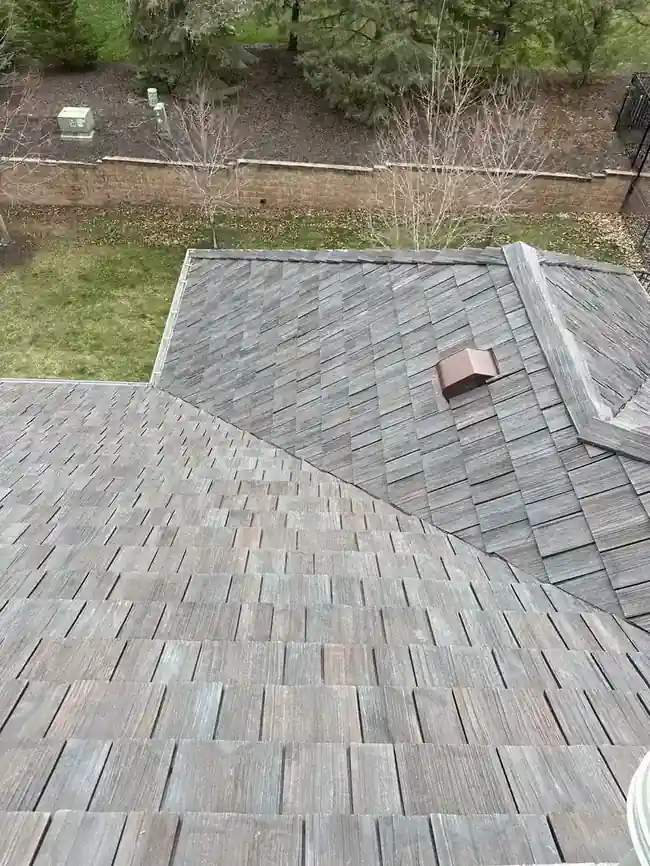
Box vents (also called static vents or turtle vents) are installed near the roof ridge and allow hot air to escape through convection. Multiple box vents may be needed for adequate ventilation.
Turbine vents use wind power to spin a turbine that actively draws hot air from the attic. They're more effective than static vents but can be noisy and may allow water infiltration in heavy rain.
Power vents use electric motors to actively exhaust hot air. They're very effective but add to your electric bill and require periodic maintenance.
Gable vents are installed in the gable ends of your attic and can work as either intake or exhaust depending on wind direction. They're common in older homes but are generally less effective than ridge and soffit systems.
The Balanced Approach
Effective ventilation requires balance between intake and exhaust. The general rule is that you need equal amounts of intake and exhaust ventilation, with a minimum of 1 square foot of ventilation area for every 150 square feet of attic floor space (or 1:300 if you have a vapor barrier).
Too much exhaust without adequate intake can actually pull conditioned air from your living space through ceiling fixtures and reduce your system's effectiveness. Too little exhaust allows heat and moisture to accumulate despite intake ventilation.
Our roofing professionals calculate proper ventilation requirements as part of every roofing project. We serve homeowners throughout Council Bluffs, Lincoln, and the Omaha metro area with comprehensive roofing solutions that include proper ventilation.
Signs of Ventilation Problems
How do you know if your home has ventilation issues? Look for these warning signs:
Unusually high cooling bills during summer may indicate excessive attic heat due to poor ventilation.
Ice dams forming along your roof edges in winter are a classic sign of inadequate ventilation.
Moisture, mold, or mildew in your attic indicates that humid air is accumulating rather than being exhausted.
Peeling exterior paint on your soffits or fascia can result from moisture escaping through inadequate ventilation.
Shingles that appear wavy or distorted may have been damaged by excessive attic heat.
Your upstairs is significantly warmer than downstairs, suggesting heat is radiating through from the attic.
Rusty nails protruding through the roof decking (visible from the attic) indicate condensation problems.
Ventilation and Insulation
Ventilation and insulation work together to create a comfortable, efficient home. Many homeowners mistakenly believe they need to choose between the two, but both are essential.
Insulation prevents heat transfer between your living space and attic. It keeps conditioned air in and extreme temperatures out. However, insulation must not block ventilation paths.
A common problem we see in older Omaha homes is insulation that has been pushed up against the roof decking in attic spaces, blocking soffit vents. This eliminates intake ventilation and traps heat and moisture in the attic.
Proper installation maintains clear ventilation channels while maximizing insulation effectiveness. Rafter baffles or ventilation channels can be installed to keep insulation from blocking soffit vents.
Addressing Ventilation Issues
If you suspect ventilation problems, professional assessment is the first step. At Royalty Roofing and Siding, we evaluate attic ventilation as part of our free roof inspections.
Improving ventilation might involve:
Adding soffit vents to increase intake ventilation in older homes that lack adequate soffit ventilation.
Installing a ridge vent during roof replacement provides continuous exhaust along the entire ridge line.
Adding roof vents to supplement existing ventilation when ridge vents aren't practical.
Installing rafter baffles to maintain clear ventilation channels where insulation has been added.
Removing or relocating insulation that blocks existing vents.
Sealing air leaks from the living space that allow moisture-laden air into the attic.
Ventilation During Roof Replacement
If you're planning a roof replacement, it's the perfect opportunity to address ventilation. Adding ridge vents during a roofing project is far less expensive than retrofitting later.
At Royalty Roofing and Siding, our roofing estimates include ventilation assessment and recommendations. We help homeowners throughout La Vista, Ralston, Springfield, Bennington, and the entire Omaha area understand their options.
Cost Savings and Return on Investment
Proper ventilation offers real financial benefits:
Lower energy costs through reduced attic temperatures in summer and prevention of ice dams in winter.
Extended roof lifespan because shingles aren't baking from excessive attic heat.
Prevented damage from moisture-related problems like mold, rot, and insulation failure.
Improved comfort with more consistent temperatures throughout your home.
These benefits typically outweigh the modest cost of proper ventilation installation, especially when ventilation is addressed during a roofing project.
Common Ventilation Mistakes
Avoid these common ventilation errors:
Mixing different exhaust vent types (like ridge vents and power vents) can cause short-circuiting, where air enters through one vent type rather than through intake vents.
Installing power vents without adequate intake causes them to pull conditioned air from the living space rather than fresh air from soffits.
Blocking soffit vents with insulation, storage, or other obstructions eliminates intake and defeats the ventilation system.
Over-ventilating can be just as problematic as under-ventilating, potentially pulling conditioned air from the home or allowing wind-driven rain or snow intrusion.
Sealing the attic too tightly without addressing the source of moisture infiltration from the living space below.
Get a Professional Assessment
Roof ventilation may seem straightforward, but proper implementation requires understanding your specific roof design, climate conditions, and existing conditions. Professional assessment ensures your home gets the ventilation it needs without creating new problems.
At Royalty Roofing and Siding, ventilation assessment is part of every roof inspection and estimate. We serve homeowners throughout Omaha, Papillion, Bellevue, La Vista, Elkhorn, Gretna, and surrounding communities.
Visit our free estimate page to schedule your inspection. We'll evaluate your current ventilation, identify any problems, and recommend cost-effective solutions. Your roof will thank you, and so will your utility bills.
Our Services
Royalty Roofing and Siding provides expert exterior services throughout the Omaha metro area. Explore our full range of services:
Serving Omaha, Bellevue, Papillion, La Vista, Gretna, Elkhorn, and surrounding Nebraska communities. Request your free estimate today!