A complete guide to handling storm damage to your roof, siding, and gutters after severe weather in Nebraska.
Nebraska is no stranger to severe weather. From powerful spring thunderstorms to summer hail and occasional tornadoes, Omaha homeowners face significant storm damage risks every year. Knowing how to respond when storms damage your home can mean the difference between a manageable insurance claim and a catastrophic loss.
At Royalty Roofing and Siding, we've helped thousands of Omaha families recover from storm damage. This comprehensive guide covers everything you need to know about storm damage restoration.
Immediately After the Storm
Safety is your first priority after severe weather. Before inspecting your property:
Stay inside until the storm has completely passed. Follow-up storms and lightning pose real dangers.
Watch for downed power lines. Assume any downed line is energized and deadly. Report downed lines to OPPD immediately.
Be cautious of structural damage. If your home appears structurally compromised, don't enter until it's been inspected by professionals.
Check on family members and neighbors, especially elderly or disabled individuals who might need assistance.
Once it's safe, conduct a preliminary inspection of your property from the ground. Don't climb on your roof or any damaged structure.
Documenting Storm Damage
Thorough documentation is essential for insurance claims. Start documenting immediately:
Take photographs and video of all visible damage to your roof, siding, gutters, windows, and any other affected areas. Capture wide shots showing context and close-ups showing damage detail.
Document damage to personal property, including vehicles, outdoor furniture, and landscaping.
Keep samples of hail if possible. Place hailstones next to a ruler or coin for size reference and photograph them before they melt.
Note the date and time of the storm and any relevant details about conditions.
Check local weather reports and news coverage for official documentation of the storm's severity.
Save this documentation securely. It will support your insurance claim.
Emergency Repairs
Your homeowner's insurance policy requires you to take reasonable steps to prevent further damage. Emergency repairs might include:
Tarping damaged roof sections to prevent water infiltration. Blue tarps secured with weights or fasteners provide temporary protection.
Boarding up broken windows or damaged openings.
Removing debris that could cause additional damage.
Moving damaged contents to protected areas.
Shutting off utilities if necessary to prevent additional hazards.
Document all emergency repairs with photos and keep receipts for materials. These costs are typically covered by insurance.
At Royalty Roofing and Siding, we provide emergency tarping services throughout Omaha, Papillion, Bellevue, La Vista, and surrounding communities. Our rapid response helps protect your home while you navigate the restoration process.
Understanding Storm Damage Types
Different storms cause different types of damage. Understanding what to look for helps ensure all damage is identified and addressed.
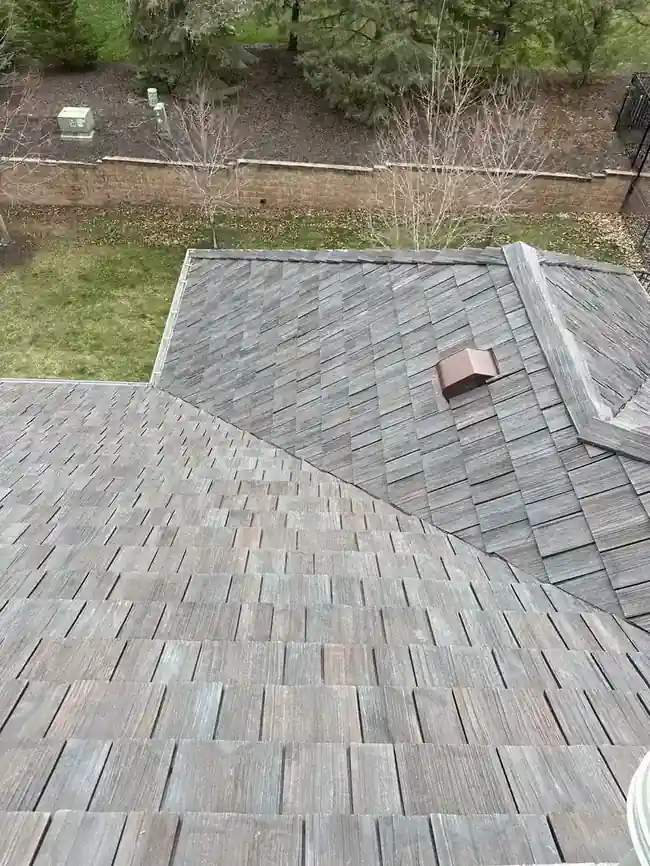
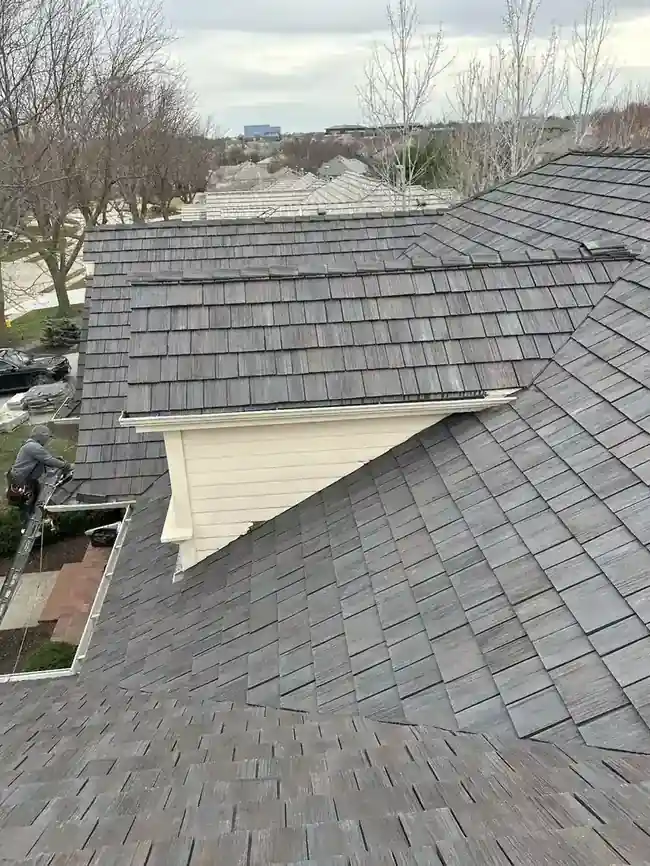
Hail damage to roofing typically appears as:
- Dents or dings in asphalt shingles
- Missing granules exposing dark underlayment
- Cracked or broken shingles
- Dented metal flashing and vents
- Damaged gutters and downspouts
Wind damage includes:
- Missing or lifted shingles
- Exposed underlayment or decking
- Damaged or missing fascia and soffit
- Fallen tree limbs and debris impacts
- Torn or displaced vinyl siding
Hail damage to siding shows as:
- Dents, cracks, or holes in vinyl siding
- Chipped or cracked fiber cement siding
- Damaged trim and accessories
- Broken window screens
Water damage from roof leaks manifests as:
- Water stains on ceilings or walls
- Damp insulation in the attic
- Mold or mildew growth
- Damaged drywall or plaster
Getting a Professional Inspection
After emergency measures are in place, contact a professional roofing contractor for a thorough inspection. Here's why professional assessment matters:
Trained inspectors identify damage that homeowners often miss. Subtle hail damage, for example, may not be visible from the ground but significantly affects roof performance.
Professional documentation supports insurance claims. Detailed reports and photographs from qualified contractors carry weight with insurance adjusters.
Accurate damage assessment ensures proper repairs. Missing damage means missed repairs, which can lead to problems later.
Experienced contractors understand insurance processes and can help you navigate claims.
Be cautious of storm chasers who appear immediately after severe weather. While not all are unscrupulous, many out-of-town contractors provide substandard work or disappear after collecting payment.
At Royalty Roofing and Siding, we've been serving Omaha homeowners for over 15 years. We'll be here long after your repairs are complete.
Filing Your Insurance Claim
Once you have professional documentation, file your insurance claim promptly:
Contact your insurance company to report the damage. Have your policy number ready.
Provide the date and details of the storm, along with a general description of the damage.
Request a claim number and the name of your assigned adjuster.
Ask about deadlines for filing claims and submitting documentation.
Keep detailed notes of all communications, including dates, times, and representative names.
Most policies require prompt reporting of damage, so don't delay this step.
The Insurance Adjuster's Visit
Your insurance company will send an adjuster to assess the damage. This inspection is critical to your claim's outcome.
Be present for the adjuster's visit if possible. You have every right to accompany them during the inspection.
Have your roofing contractor present. An experienced contractor can point out damage the adjuster might miss and discuss repair requirements.
Provide your documentation and photos to supplement the adjuster's inspection.
Ask questions about anything you don't understand. The adjuster should explain their findings.
Don't sign anything you don't understand. If you're uncertain, ask for time to review or consult with others.
If you disagree with the adjuster's assessment, you can request a re-inspection or escalate within the insurance company.
Understanding Your Claim Settlement
Your insurance company will provide a claim settlement offer. Review it carefully:
Scope of work should cover all identified damage, not just the most obvious issues.
Material specifications should match or exceed your existing materials.
Labor costs should reflect current local rates for qualified contractors.
Depreciation may reduce your initial payment, with recoverable depreciation paid after repairs are completed.
Your deductible will be subtracted from the claim payment.
If the settlement seems inadequate, your contractor can often help you understand whether to accept or negotiate.
Supplements and Additional Damage
Sometimes additional damage is discovered once repairs begin. This is common with storm damage, where surface damage often indicates deeper problems.
When hidden damage is found, your contractor files a supplement requesting additional payment to cover the additional repairs.
Document all hidden damage thoroughly with photographs before repairs continue.
Supplemental claims are normal and shouldn't concern you. Insurance companies expect them for significant storm damage.
Your contractor should handle the supplement process, working directly with your insurance company.
Choosing a Restoration Contractor
Selecting the right contractor is crucial for quality restoration. Look for:
Local presence and reputation. Companies rooted in the Omaha community have the most stake in doing quality work.
Proper licensing and insurance. This protects you from liability.
Experience with insurance restoration. The process differs from standard construction projects.
Written warranties on workmanship and materials.
Positive reviews and references from past customers.
Clear communication throughout the project.
Avoid contractors who:
- Appear immediately after storms from out of state
- Pressure you to sign contracts quickly
- Offer to waive your deductible (this is insurance fraud)
- Want large deposits before work begins
- Can't provide local references
The Restoration Process
Quality restoration follows a systematic process:
Final scope agreement confirms exactly what work will be performed.
Material selection allows you to choose colors and styles for replacement materials.
Scheduling coordinates the work to minimize disruption to your family.
Preparation protects landscaping, outdoor furniture, and other items.
Demolition removes damaged materials properly.
Repairs address any structural or underlying damage.
Installation of new roofing, siding, or other materials.
Cleanup removes all debris and leaves your property neat.
Final inspection verifies all work is complete and satisfactory.
Preventing Future Storm Damage
While you can't prevent storms, you can make your home more resistant:
Choose impact-resistant roofing materials when replacing your roof.
Trim trees near your home to reduce branch impacts.
Secure outdoor items before storms arrive.
Maintain your roof and siding so they're in optimal condition when storms hit.
Consider storm shutters for windows in vulnerable locations.
Ensure proper attic ventilation to prevent ice dams that can cause damage during winter storms.
Royalty Roofing and Siding: Your Storm Restoration Partner
When storms damage your Omaha home, Royalty Roofing and Siding is here to help. Our comprehensive restoration services include:
Emergency tarping and temporary repairs.
Complete roof replacement and repair.
Siding replacement including James Hardie and vinyl.
Gutter replacement and repair.
Window replacement.
Insurance claim assistance from start to finish.
We've helped homeowners throughout Elkhorn, Gretna, Bennington, Council Bluffs, Lincoln, and the entire Omaha metro area recover from storm damage.
Visit our free estimate page or contact us when you need storm damage help. We'll respond quickly to assess your damage and guide you through restoration.
Don't let storm damage overwhelm you. With the right partner, restoration can be smooth and stress-free.
Our Services
Royalty Roofing and Siding provides expert exterior services throughout the Omaha metro area. Explore our full range of services:
Serving Omaha, Bellevue, Papillion, La Vista, Gretna, Elkhorn, and surrounding Nebraska communities. Request your free estimate today!